Understanding the Different Types of Caulk and Where to Use Them
Caulk and sealants play an important role in virtually every construction project. They help keep out water and air, seal gaps between materials, accommodate movement, and provide a clean finished appearance. But not all caulks are created equal. Choosing the wrong type of caulk for an application can result in cracking, shrinking, adhesion failure, or water intrusion.
With so many products available—including acrylic latex, silicone, polyurethane, hybrid, and specialty sealants—it can be difficult to know which product is right for the job.
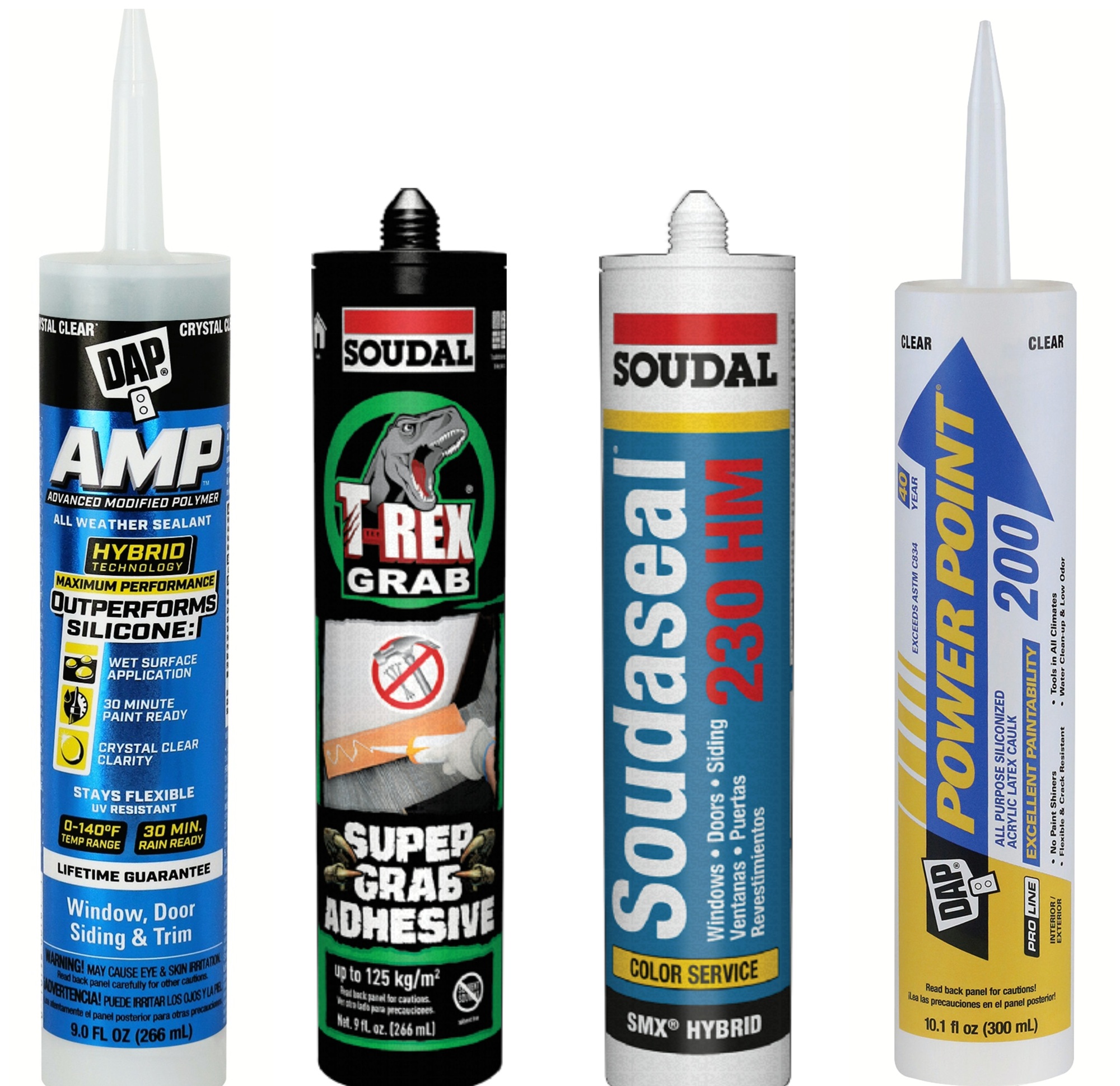
The key is to understand the characteristics of each type and match the sealant to the materials, environment, and amount of movement expected in the joint. Here at RESCOM Products we have a variety of caulk adhesives and sealants for every job!
Acrylic Latex Caulk
Acrylic latex caulk is one of the most common types of caulk used in construction and finishing applications. It is easy to apply, generally easy to clean up, and is typically paintable.
Where is acrylic latex caulk used?
Acrylic latex is commonly used for relatively low-movement interior applications such as:
- Baseboards and trim
- Crown molding
- Door and window trim
- Drywall-to-trim joints
- Small gaps in woodwork
- Interior finishing work
- Filling small cracks before painting
One of its biggest advantages is that it can be painted, making it a popular choice for painters and finish contractors.
When should you avoid acrylic latex?
Standard acrylic latex should generally not be the first choice for joints that experience significant movement, continuous moisture, or demanding exterior exposure. A more flexible sealant may be necessary for those applications.
Siliconized Acrylic Caulk
Siliconized acrylic combines acrylic technology with silicone to improve flexibility, adhesion, and resistance to moisture.
This type of caulk is often a good choice when you need a product that is paintable but more durable and flexible than standard acrylic latex.
Common applications include:
- Exterior window and door trim
- Siding
- Exterior woodwork
- Interior and exterior finishing
- Joints that experience moderate movement
- Applications where the finished seal will be painted
Siliconized acrylic products can provide a useful middle ground between traditional painter’s caulk and more specialized sealants.
100% Silicone Sealant
Silicone is known for its excellent flexibility, water resistance, and long-term performance. It is particularly useful in areas where moisture and temperature changes are concerns.
Where is silicone used?
Common applications include:
- Bathrooms
- Showers and tubs
- Sinks and countertops
- Kitchens
- Glass and glazing applications
- Window and door systems
- Metal-to-glass joints
- Areas exposed to frequent moisture
Silicone is especially well suited to applications where a watertight and flexible seal is required. Silicone sealants are also used in specialized glazing applications where performance requirements are much more demanding than those of ordinary household caulk.
One important limitation
Most 100% silicone products are not paintable. If the joint needs to be painted, a paintable acrylic, siliconized acrylic, polyurethane, or hybrid sealant may be a better choice.
Polyurethane Sealant
Polyurethane sealants are popular in commercial construction because they provide strong adhesion, durability, and flexibility. They are particularly useful when sealing joints between materials such as concrete, masonry, wood, and metal.
Where is polyurethane sealant used?
Polyurethane is commonly used for:
- Concrete joints
- Masonry
- Stucco
- Window and door installations
- Expansion and control joints
- Concrete-to-metal joints
- Concrete-to-wood joints
- Exterior construction joints
- Other high-movement applications
Polyurethane is often selected when the joint needs a combination of strong adhesion, durability, and movement capability.
For demanding exterior construction applications, polyurethane can be a better choice than a basic acrylic caulk because it is designed to handle tougher conditions and movement.
Hybrid and Polymer Sealants
Hybrid sealants combine characteristics from different sealant technologies to provide a balance of adhesion, flexibility, weather resistance, and ease of application.
These products have become increasingly popular in construction because they can perform well across a wide range of materials and applications.
Common applications include:
- Windows and doors
- Siding
- Exterior trim
- Stucco
- Masonry
- Metal
- Concrete
- General construction joints
- Interior and exterior applications
One of the biggest advantages of many hybrid sealants is their ability to provide strong adhesion and flexibility while remaining paintable, depending on the specific formulation.
For contractors who want one versatile product that can handle multiple substrates and applications, a quality hybrid sealant can be an excellent option.
Butyl Sealant
Butyl sealants are rubber-based sealants known for their excellent adhesion and resistance to water. They have traditionally been used in applications where long-term moisture resistance is important.
Common applications include:
- Roofing
- Flashing
- Gutters
- Metal joints
- Window applications
- Sealing around building components
- Certain below-grade or weather-exposed applications
Butyl products remain useful for specialty applications where their particular combination of adhesion and water resistance makes them appropriate.
Specialty Construction Sealants
Beyond the common types listed above, there are many specialty sealants designed for specific construction requirements.
These can include:
- Fire-rated sealants
- Concrete and masonry sealants
- Roof sealants
- HVAC sealants
- Window and glazing sealants
- Acoustical sealants
- High-temperature sealants
- Structural silicone
- Waterproofing sealants
- Adhesive/sealant hybrids
These products should be selected based on the requirements of the specific application rather than simply choosing the most flexible or strongest product available.
For example, structural glazing applications have specific performance requirements, and ASTM standards exist for structural silicone sealants used in those systems.
How Do You Choose the Right Caulk?
When selecting a caulk or sealant, don’t simply choose a product because it says “all purpose” on the tube. Consider the conditions the joint will experience.
Ask these questions:
1. Is the joint indoors or outdoors?
Exterior joints generally require better resistance to weather, UV exposure, temperature changes, and movement.
2. Will the joint get wet?
For showers, tubs, sinks, and other continuously wet areas, a moisture-resistant sealant such as silicone is generally appropriate.
3. Will the joint move?
Movement is one of the most important factors when selecting a construction sealant. Joints between different building materials can expand, contract, and shift over time. A sealant with the appropriate movement capability is important for these applications.
4. Does the sealant need to be painted?
If the joint will be painted, make sure the product is specifically identified as paintable. Many 100% silicone products are not designed to accept paint.
5. What materials are being joined?
Concrete, masonry, wood, metal, glass, vinyl, and other substrates can have very different adhesion requirements. Always verify that the sealant is compatible with the substrates involved.
6. Is there a specific building requirement?
Some applications require sealants that meet specific ASTM standards, fire ratings, movement classifications, or other performance requirements. Always check the manufacturer’s technical data before selecting a product for a critical application.
Caulk vs. Sealant: What’s the Difference?
You’ll often hear the terms caulk and sealant used interchangeably—and in everyday construction, they frequently are.
A simple way to think about the difference is that traditional caulk is often used for finishing and sealing relatively stable joints, while higher-performance sealants are designed to handle movement, weather exposure, moisture, and demanding construction conditions.
In other words, the product that works perfectly for sealing the gap between a baseboard and drywall isn’t necessarily the product you want around an exterior window or in a concrete expansion joint.
The Bottom Line
Choosing the right caulk or sealant is about more than simply filling a gap. The right product needs to match the substrates, movement, moisture exposure, temperature, weather conditions, and finishing requirements of the application.
As a general starting point:
| Type | Common Uses |
|---|---|
| Acrylic Latex | Interior trim, drywall, baseboards, painting |
| Siliconized Acrylic | Interior/exterior trim, siding, paintable joints |
| 100% Silicone | Bathrooms, kitchens, glass, glazing, wet areas |
| Polyurethane | Concrete, masonry, stucco, exterior construction joints |
| Hybrid/Polymer | Windows, doors, siding, stucco, masonry, general construction |
| Butyl | Roofing, flashing, gutters, specialty weather sealing |
| Specialty Sealants | Fire-rated, structural, HVAC, waterproofing and other specific applications |
The most important rule is simple: use the right sealant for the job. A sealant that performs exceptionally well in one application may be completely wrong for another.
At Rescom Products, we understand that contractors and building professionals need products that perform in the real world. Whether you’re working with stucco, windows and doors, masonry, concrete, or other construction applications, selecting the appropriate sealant can make a significant difference in the quality and longevity of the finished project.