Why Use Gap-Filling Foam? The Benefits of Air-Sealing Penetrations
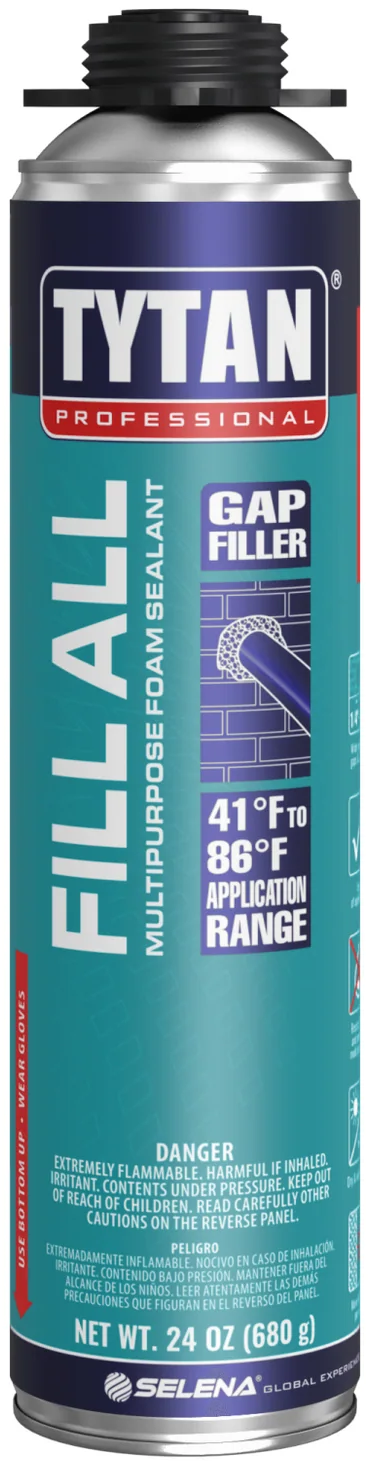
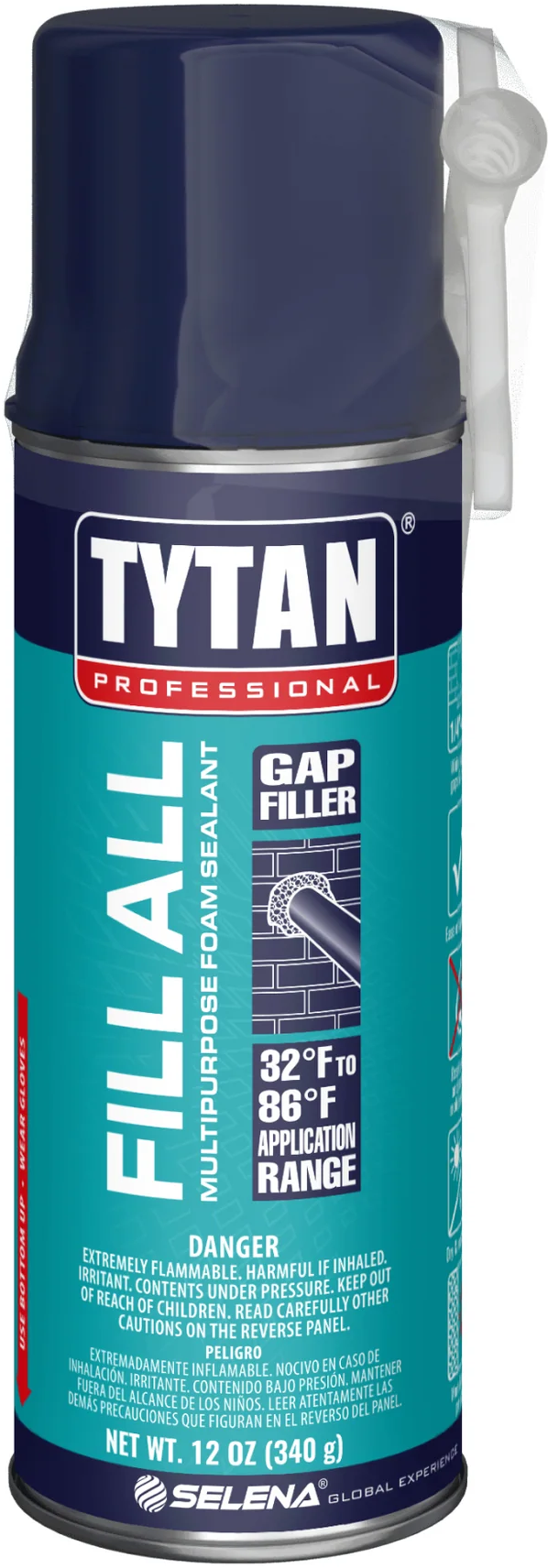
Even the smallest gaps and openings in a building can create big problems if they are left unsealed. Openings around pipes, conduits, framing, and other building penetrations can allow unwanted air infiltration, reduce energy efficiency, and create opportunities for pest entry. Gap-filling foam, such as Tytan Fill All, provides a practical solution for filling suitable openings and improving overall building performance.
What Is Gap-Filling Foam?
Gap-filling foam is an expanding foam sealant designed to fill spaces, cracks, and openings in construction applications. Once dispensed, the foam expands to occupy the available space and cures to form a seal.
Unlike traditional caulks and sealants, which are generally better suited for joints and smaller gaps, expanding foam can fill deeper or irregularly shaped openings that would otherwise be difficult to seal effectively.
Tytan Fill All is an option for contractors who need to fill appropriate gaps and voids efficiently. However, because it expands significantly, it is important to select the right foam for each application.
5 Key Benefits of Gap-Filling Foam
1. Improved Energy Efficiency
Unsealed gaps around pipes, conduits, framing, and wall penetrations can allow conditioned air to escape and outside air to enter. This can force heating and cooling systems to work harder to maintain comfortable indoor temperatures.
Using an appropriate gap-filling foam helps reduce unwanted air leakage, supporting better building energy performance and potentially lowering heating and cooling costs.
2. Effective Sealing Around Building Penetrations
Construction openings are not always uniform. Spaces around pipes, electrical conduits, utility lines, and other penetrations can vary in width and depth.
Expanding foam conforms to irregular openings, helping create a more continuous air seal. Proper air sealing is an important part of building-envelope performance, particularly in energy-conscious construction.
3. Faster, More Efficient Installation
Time is valuable on any jobsite. Filling irregular gaps with multiple pieces of backer material or attempting to seal deep openings with conventional caulk can be time-consuming.
Gap-filling foam expands within suitable openings, allowing contractors to address many common sealing applications with fewer steps. This can help improve productivity and reduce the time spent on repetitive detail work.
4. Helps Reduce Drafts and Unwanted Pest Entry
Small openings throughout a building can become pathways for drafts and certain insects or other pests. Sealing appropriate gaps around building penetrations and framing helps close off these entry points.
Foam should be selected for the intended application, and larger openings or pest-prone areas may require additional materials or protective measures. Foam alone is not a substitute for a complete pest-control strategy.
5. Versatility Across Construction Applications
Depending on the product specifications and installation requirements, gap-filling foam can be useful in a variety of residential and commercial construction applications, including:
-
Filling suitable voids in framing and wall assemblies.
-
Sealing openings around pipes and conduits.
-
Filling irregular gaps around utility penetrations.
-
Addressing appropriate openings in non-moving construction components.
-
Helping reduce air leakage through suitable gaps in the building envelope.
Important: Tytan Fill All has higher expansion characteristics, so it is not appropriate for every application. Avoid using it around window and door frames where expansion pressure could distort frames, interfere with operation, or damage the installation. Use a low-expansion foam specifically designed for window and door applications when sealing those areas.
Always consult the manufacturer’s technical data sheet to verify approved applications, gap sizes, substrate compatibility, and application requirements.
Why Choose Tytan Fill All?
Tytan Fill All gives contractors an option for addressing suitable gaps and voids encountered during construction. When used in the right applications, expanding foam can simplify sealing tasks, improve installation efficiency, and help reduce unwanted air leakage.
The key is choosing the correct foam for the job. Higher-expansion products are useful for appropriate openings that can accommodate the foam’s expansion, while more sensitive applications require specially formulated products with lower expansion pressure.
As with any construction chemical, proper application is essential. Follow the manufacturer’s instructions for surface preparation, application conditions, expansion characteristics, curing time, and recommended uses. Where fire resistance, waterproofing, or specific movement capabilities are required, use a product specifically tested and approved for that purpose.
Get More Out of Every Installation
Small gaps can have an outsized impact on building performance. By incorporating the right gap-filling foam into your installation process, you can help reduce unwanted air leakage, improve sealing around suitable building components, and work more efficiently on the jobsite.
Looking for Tytan Fill All or other professional construction sealants and adhesives? Rescom Products helps contractors and building professionals source the products they need for their projects. Contact our team for product availability and assistance finding the right solution for your application.