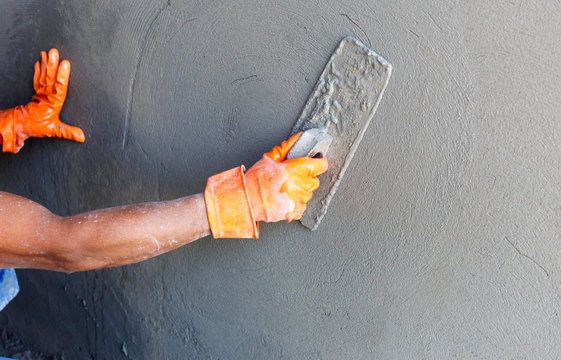
Plastering in Construction: Types, Benefits, and Best Practices
Plastering is an essential part of many construction projects, providing durable, smooth, and attractive finishes for interior and exterior walls. Beyond improving the appearance of a building, plaster helps protect wall surfaces, cover imperfections, and create a suitable base for paint, decorative finishes, or other coatings. Choosing the right plastering materials and using proper application techniques are key to achieving a long-lasting, professional result. Rescom offers a wide variety of finishing tools for plaster that can help achieve the picturesque plaster finish!
What Is Plastering?
Plastering is the process of applying a layer of plaster or cement-based material over a surface to create a uniform finish. Depending on the application, plaster may be used on masonry, concrete, drywall, or other properly prepared substrates. In exterior construction, cement plaster is commonly associated with stucco systems, which provide a durable wall finish when installed as part of a properly designed assembly.
A successful plastering job depends on more than the finishing material alone. Surface preparation, correct mixing, application thickness, curing conditions, and the use of compatible accessories all contribute to the performance of the finished surface.
Common Types of Plaster
Different plastering materials are designed for specific applications and environmental conditions.
Cement Plaster: Cement-based plaster is widely used on exterior walls and masonry surfaces because of its durability and resistance to outdoor exposure when properly installed. It is commonly used in stucco applications and can provide a strong, uniform surface for additional finishes.
Gypsum Plaster: Gypsum plaster is frequently used for interior walls and ceilings. It offers a smooth finish and can help reduce the amount of additional surface preparation needed before painting. It is generally intended for suitable interior applications rather than prolonged exposure to moisture.
Lime Plaster: Lime-based plaster has been used in traditional construction for centuries. Depending on its formulation, it can offer workability and vapor permeability, making it useful in certain restoration projects and specialized wall assemblies.
Decorative Plaster: Decorative plaster products are used to create textured, polished, or customized wall finishes. These materials are selected primarily for their appearance and may require specific preparation and application techniques.
The Importance of Proper Surface Preparation
Before applying plaster, the substrate must be properly prepared. Dust, loose material, oil, and other contaminants can interfere with adhesion and lead to cracking, delamination, or an uneven finish.
Depending on the substrate and plaster system, preparation may include cleaning, repairing damaged areas, controlling surface absorption, or applying a compatible bonding agent. Exterior plaster assemblies may also require appropriate water-resistive barriers, drainage provisions, lath, reinforcing accessories, and other components in accordance with the applicable building code and system requirements.
Taking the time to prepare the surface correctly helps improve adhesion and reduces the likelihood of costly repairs.
Best Practices for a Quality Plaster Finish
Several factors can make a significant difference in the performance and appearance of a plastered surface:
- Use compatible materials: Select plaster, bonding agents, reinforcement, and accessories designed to work together for the intended application.
- Follow mixing instructions: Use the manufacturer’s recommended water ratios and mixing procedures to maintain consistency and material performance.
- Apply the correct thickness: Follow the specified application thickness and layering requirements for the plaster system.
- Control curing conditions: Excessive heat, wind, or rapid moisture loss can affect cement-based plaster. Follow the manufacturer’s curing recommendations for the conditions on the jobsite.
- Use proper reinforcement: Where required, reinforcing mesh or other approved reinforcement can help manage cracking and improve the performance of the assembly.
- Protect the finished surface: Allow adequate curing and protect newly applied plaster from unsuitable weather and premature damage.
Following these practices can help contractors achieve consistent finishes while improving the durability of the completed work.
Common Plastering Problems and How to Prevent Them
Cracking, poor adhesion, uneven finishes, and discoloration are common concerns in plastering. These problems can result from inadequate surface preparation, incorrect material proportions, improper curing, excessive application thickness, substrate movement, or incompatible products.
Prevention starts with understanding the substrate and selecting the right materials for the application. Contractors should follow product data sheets, project specifications, and applicable building codes rather than relying on a single approach for every job.
It is also important to distinguish normal finish variations from signs of a more serious issue. Persistent cracking, loose plaster, or moisture intrusion may require further investigation before repairs or additional coatings are applied.
Choosing the Right Materials for the Job
A reliable plastering project requires more than the right plaster. Depending on the application, contractors may also need reinforcing mesh, fiberglass mesh, bonding products, tapes, corner accessories, and other construction materials to support the installation.
Selecting quality products that meet the requirements of the intended wall assembly can help improve installation efficiency and long-term performance. Material compatibility, manufacturer recommendations, and project specifications should guide purchasing decisions.
Conclusion
Plastering remains an important construction technique for creating durable, attractive wall and ceiling finishes. Whether the project involves interior gypsum plaster, exterior cement plaster, or a decorative finish, proper material selection, surface preparation, application, and curing are essential to achieving quality results.
By understanding the different types of plaster and following established installation practices, contractors can help reduce common problems, improve finish quality, and deliver better-performing construction projects.