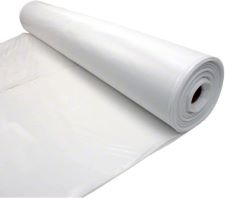
The Versatility of Plastic Sheeting: An In-Depth Guide
Plastic sheeting, also known as polyethylene plastic or plastic tarps, is one of the most versatile and commonly used materials in a variety of industries and applications. From construction and agriculture to DIY projects and home improvement, plastic sheeting offers an array of benefits that make it a go-to material for many.
But what exactly is plastic sheeting? What makes it so useful? And how can it be utilized effectively? Let’s dive into the world of plastic sheeting and explore its many applications.
What is Plastic Sheeting?
Plastic sheeting is a large, flexible sheet made from polyethylene or similar plastic polymers. It is typically thin, durable, and resistant to water, chemicals, and environmental factors, making it ideal for a wide range of uses. The sheets come in various thicknesses, lengths, and widths, which means they can be tailored for specific needs. Whether you’re looking to cover a structure or use it as a barrier in harsh environments, there’s likely a plastic sheet that fits your requirements.
Types of Plastic Sheeting
There are several types of plastic sheeting, and each serves a specific purpose. Here are the most common:
- Clear Plastic Sheeting: This type is transparent, allowing light to pass through. It is commonly used in greenhouse applications, window coverings, or dust barriers in construction projects. Its transparency is especially useful when you need visibility or natural light.
- Black Plastic Sheeting: As the name suggests, this is opaque black plastic. It’s often used for light-blocking applications, such as in agricultural fields to control weed growth. It’s also useful in construction to protect areas from dust, dirt, and debris.
- Visqueen: This is a brand name for a type of polyethylene sheeting that’s widely used in construction and other industries. Visqueen is typically used as a vapor barrier in construction projects, such as beneath concrete slabs or in crawl spaces to prevent moisture from penetrating.
- Heavy-Duty Plastic Sheeting: For more demanding applications, heavy-duty plastic sheeting is used. This thicker material is perfect for larger construction projects, hazardous material containment, and other heavy-duty tasks. It’s built to withstand the wear and tear of more rugged conditions.
Common Uses for Plastic Sheeting
- Construction and Renovation:
- Dust Barriers: When undertaking a renovation or construction project, it’s crucial to contain dust and debris. Plastic sheeting is often used to create dust barriers that separate the work area from the rest of the building.
- Vapor Barriers: In new construction or basement projects, plastic sheeting is used as a vapor barrier to keep moisture from seeping into the building, preventing mold growth and structural damage.
- Protective Covers: Plastic sheeting can protect furniture, floors, and other surfaces from paint, dirt, or water during construction projects. Simply drape it over items that need protection.
- Agriculture:
- Greenhouses: In agriculture, plastic sheeting is often used to construct greenhouses. Its clear design allows for natural sunlight to penetrate, providing a warm, controlled environment for plants to thrive year-round.
- Weed Control: Black plastic sheeting is used in gardening and landscaping to suppress weeds by blocking sunlight and preventing weed seeds from germinating.
- Row Covers: In farming, plastic sheeting is used as row covers to protect crops from harsh weather, pests, and frost. It creates a microclimate around plants, promoting faster growth and better yields.
- DIY Projects:
- Weatherproofing: If you’re dealing with leaks or drafts, plastic sheeting can be used to temporarily seal windows or doors to keep out cold air, moisture, or pests.
- Painting and Renovation: Plastic sheeting is a popular choice for covering furniture, floors, and other surfaces during DIY painting projects. It’s also used to shield walls when painting large surfaces.
- Packaging:
- Plastic sheeting is frequently used in the packaging industry. Large items are wrapped in plastic sheeting to protect them from dirt, moisture, and damage during shipping or storage.
- Hazardous Material Containment:
- In the event of a chemical spill or hazardous materials cleanup, plastic sheeting can be used to create containment areas and prevent cross-contamination.
Benefits of Using Plastic Sheeting
- Durability: Plastic sheeting is known for its strength and resistance to wear. Even with constant exposure to elements like moisture, UV light, or chemicals, it can last a long time without degrading.
- Waterproof and Moisture-Resistant: One of the biggest advantages of plastic sheeting is its ability to act as a waterproof barrier. This makes it ideal for moisture control in construction, agriculture, and other industries.
- Easy to Work With: Plastic sheeting is lightweight and flexible, which makes it easy to cut, fold, and manipulate to fit a variety of shapes and sizes.
- Cost-Effective: Compared to other materials like metal or wood, plastic sheeting is relatively inexpensive, making it a budget-friendly solution for a wide range of projects.
- Versatility: Whether you need it for protective covering, moisture control, or pest management, plastic sheeting is a versatile material that serves a variety of functions across different industries.
How to Choose the Right Plastic Sheeting
When choosing plastic sheeting, it’s essential to consider several factors to ensure that the material will perform well for your specific application:
- Thickness: The thickness of the plastic will determine how durable and resistant it is. For heavy-duty applications, opt for a thicker sheet, while lighter tasks may only require thinner plastic sheeting.
- UV Protection: If the plastic will be exposed to the sun for long periods, it’s best to select a plastic sheeting that is UV resistant to prevent degradation.
- Size: Plastic sheeting comes in various sizes, so make sure to choose a sheet that fits your project’s requirements. Measure your area carefully before purchasing.
- Color: Clear plastic is ideal for situations where visibility and light penetration are important, while black plastic is best for light-blocking and weed control applications.
Conclusion
Plastic sheeting is a fantastic material with countless uses across different industries. Whether you’re working on a construction project, farming, or handling a DIY home improvement task, plastic sheeting provides an easy, effective solution. Its durability, versatility, and affordability make it an indispensable tool in many areas of life.
Next time you need to protect your space, control moisture, or weatherproof an area, remember the many advantages that plastic sheeting has to offer. With a little creativity and the right kind of plastic, you can solve a variety of problems with ease!