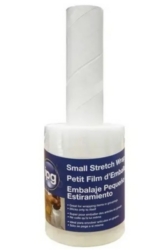
Shrink Wrap: Why It’s an Essential Solution for Protecting Building Materials and Job Sites
In the construction industry, protecting materials from the elements is critical to keeping projects on schedule and within budget. One of the most effective and versatile protection methods available today is shrink wrap. Whether you’re securing lumber, windows, doors, roofing materials, or equipment, shrink wrap provides a durable barrier against weather, dirt, and damage. We Now Have Shrink Wrap Available Here at Rescom Products!
What is Shrink Wrap?
Shrink wrap is a heavy-duty polyethylene plastic film that, when heated, tightly conforms around products and materials. Unlike traditional tarps or plastic sheeting, shrink wrap creates a secure, customized protective covering that resists tearing, wind, and moisture intrusion.
Shrink wrap is commonly used in construction, transportation, industrial manufacturing, and marine applications because of its ability to provide superior protection during storage and transit.
Why is Shrink Wrap Important?
1. Protects Against Weather Damage
Construction materials are constantly exposed to rain, humidity, UV rays, dust, and fluctuating temperatures. Moisture penetration can lead to mold growth, warped materials, rust, and product deterioration.
Shrink wrap creates a tight, weather-resistant barrier that keeps materials dry and protected, helping contractors avoid costly replacements and project delays.
2. Reduces Material Loss and Waste
Damaged building materials often result in additional expenses and wasted time. By properly wrapping products with shrink wrap, contractors can significantly reduce losses caused by exposure to the elements, debris, or accidental damage on the job site.
Protecting materials from the start ultimately saves money and improves project efficiency.
3. Secures Products During Transportation
Materials frequently move from manufacturers to distributors and then to job sites. During transportation, products can shift, become dirty, or sustain damage.
Shrink wrap tightly secures products together, minimizing movement and providing an additional layer of protection during shipping and handling. This is especially important for palletized materials and high-value building products.
4. Provides Superior Wind Resistance
Traditional tarps often loosen, flap, or blow away during storms and high winds. Shrink wrap, however, forms a tight seal around the materials, making it highly resistant to wind damage.
For outdoor storage and temporary weather protection, shrink wrap offers a dependable solution that remains secure even under challenging conditions.
5. Helps Maintain Product Quality
Many construction products are sensitive to moisture and contamination. Insulation, drywall accessories, adhesives, windows, and specialty building products all perform best when stored in clean, dry conditions.
Shrink wrap helps preserve product integrity by preventing exposure to dirt, dust, moisture, and debris, ensuring materials arrive on the job site in optimal condition.
6. Improves Job Site Organization
Wrapped materials are easier to identify, stack, and store. Keeping products securely packaged helps maintain cleaner, more organized job sites while reducing the risk of damaged or misplaced materials.
An organized job site contributes to increased productivity and safer working conditions for crews.
Common Applications for Shrink Wrap in Construction
- Palletizing building materials
- Protecting windows and doors during transportation
- Covering roofing and insulation products
- Temporary weather enclosures
- Wrapping equipment and machinery
- Protecting materials during long-term outdoor storage
- Securing products during shipping and distribution
The Bottom Line
Shrink wrap is far more than just packaging material—it’s an investment in protecting products, reducing waste, and ensuring projects stay on schedule. Its ability to shield materials from weather, secure products during transportation, and preserve product quality makes it an essential solution for contractors, distributors, and building material suppliers alike.
By incorporating shrink wrap into your material handling and storage processes, you can reduce costly damage, improve efficiency, and deliver products to your customers in the condition they expect.