What Are Stucco Washers—and Why Are They Essential?
When it comes to exterior construction and repair, small components often play an outsized role in durability and performance. One such unsung hero is the stucco washer. While it may not get much attention outside of construction circles, this simple piece of hardware is critical for maintaining the integrity of stucco systems—especially during repairs or reinstallation.
What Is a Stucco Washer?
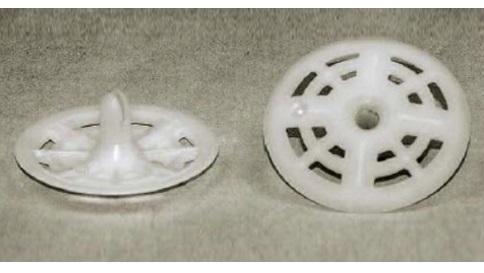
A stucco washer is a thin, typically circular metal fastener with a slightly raised or dimpled center. It’s designed to work in combination with screws or nails to secure stucco lath (the wire or mesh framework that holds stucco in place) firmly against a substrate like wood sheathing or masonry.
The washer distributes pressure over a wider surface area than a screw head alone, preventing the fastener from pulling through the lath. This becomes especially important in applications where the material may already be weakened or under stress.
Why Stucco Washers Are Needed
1. Reinforcing Existing Stucco
Over time, stucco can crack, loosen, or separate from the underlying structure due to weather exposure, moisture intrusion, or structural movement. Stucco washers are commonly used in repair work to re-anchor loose sections without requiring full removal. By fastening through the existing stucco into the framing beneath, washers help stabilize compromised areas.
2. Preventing Further Damage
Without proper reinforcement, small cracks or loose patches can worsen quickly. Stucco washers help halt that progression by securing vulnerable areas before they expand into more significant structural issues. This can save substantial time and money compared to more extensive repairs.
3. Even Load Distribution
A key function of the washer is to distribute the load of the fastener evenly. This reduces the likelihood of localized stress points that could cause cracking or failure in the stucco or lath. It’s a simple mechanical advantage that significantly improves the longevity of the system.
4. Improving Adhesion for Repairs
When performing patchwork, ensuring that the new material bonds well with the existing stucco is crucial. By tightening the substrate and eliminating movement, stucco washers create a more stable surface for bonding agents and fresh stucco layers.
5. Cost-Effective Solution
Full stucco replacement can be expensive and labor-intensive. Stucco washers offer a targeted repair method that addresses specific problem areas without requiring a complete overhaul. For property owners and contractors alike, this makes them an economical choice.
When Should You Use Stucco Washers?
Stucco washers are typically used when:
- You notice bulging or loose stucco sections
- Cracks are forming or spreading
- The stucco has detached slightly from the wall
- You’re preparing a surface for patching or refinishing
They are not a cure-all for every stucco issue, but they are highly effective when the underlying structure is still sound and the damage is localized.
Installation Basics
Installation usually involves drilling through the stucco into the framing or substrate, inserting a corrosion-resistant screw with the washer, and tightening it until snug. The washer should sit flush against the surface without over-compressing the stucco. After installation, the area is typically patched and finished to blend with the surrounding surface.
Final Thoughts
Stucco washers may be small, but their role in maintaining and repairing stucco systems is significant. By reinforcing weak areas, distributing load, and preventing further damage, they extend the life of stucco surfaces and reduce the need for costly replacements.
Whether you’re a contractor tackling repairs or a homeowner trying to understand your exterior maintenance needs, knowing about stucco washers—and why they matter—can help you make smarter, more cost-effective decisions.