TYPAR Flashing: A Smart Choice for Sealing Wall Penetrations and Intrusions
When water gets behind a wall system, it can lead to costly damage, mold, deterioration, and problems with the building envelope. One of the most vulnerable areas of any wall assembly is where something penetrates the surface. Windows, doors, pipes, vents, electrical components, fasteners, and other penetrations can create openings where water and air can enter. Properly sealing these areas is an important part of creating a durable, weather-resistant building envelope.
TYPAR flashing products provide contractors with dependable solutions for protecting and sealing these vulnerable areas. With several flashing options available, TYPAR can be used for a wide range of applications and substrates. Typar Flashing Products are now available at Rescom Products!
Why Wall Penetrations Need to Be Sealed
Any time a building component passes through a wall, it creates a potential weak point in the weather barrier. Even a small gap around a pipe, conduit, window opening, or other intrusion can allow moisture to find its way into the wall assembly.
Water intrusion doesn’t always produce an immediate problem. Moisture can accumulate behind the exterior finish and remain hidden until it causes more significant damage. Over time, this can contribute to deterioration of sheathing, framing, insulation, and other building materials.
That’s why sealing penetrations during construction is so important. A properly installed flashing system helps direct water away from vulnerable areas while maintaining the continuity of the building envelope.
TYPAR Flashing Offers Multiple Solutions
One of the advantages of the TYPAR flashing line is the variety of products available for different applications.
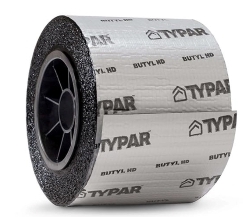
TYPAR Butyl Flashing provides a flexible, self-adhered flashing solution designed for sealing around windows, doors, penetrations, and other vulnerable areas. Its butyl adhesive helps create a strong bond to compatible surfaces while allowing the flashing to conform to irregular areas.
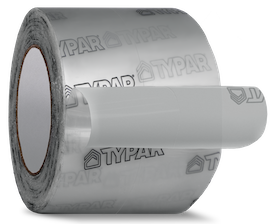
TYPAR Acrylic Flashing offers another option for applications where a durable, flexible flashing membrane is desired. The clear acrylic version can be particularly useful when visibility of the substrate or underlying surface is important.
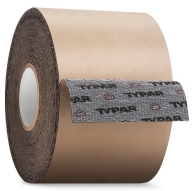
TYPAR Flexible Flashing is designed to conform around irregular shapes and challenging penetrations. Its flexibility makes it useful when standard flat flashing materials aren’t able to easily accommodate the shape of the intrusion.
TYPAR Liquid Flashing provides a different approach by allowing contractors to seal irregular penetrations, joints, gaps, and difficult-to-flash areas with a liquid-applied material. It can be especially useful around areas where traditional sheet flashing is difficult to install.
Excellent for Sealing Intrusions
TYPAR flashing is a good choice for sealing intrusions because flashing needs to do more than simply cover a hole. It needs to maintain a weather-resistant seal as building materials move and expand and contract with changing temperatures.
Penetrations are often irregularly shaped, making them difficult to seal with rigid materials. Flexible flashing products can be pressed and formed around the intrusion to create a more continuous seal.
Depending on the specific application, TYPAR flashing can be used around:
- Plumbing penetrations
- Electrical penetrations
- HVAC penetrations
- Pipes and conduits
- Vents
- Windows and doors
- Wall openings
- Fasteners
- Joints and seams
- Irregular transitions between building materials
Proper surface preparation and installation are important to achieving the best results. Always follow the manufacturer’s installation instructions and verify that the selected flashing product is appropriate for the specific substrate and application.
Helps Protect the Building Envelope
The building envelope is designed to separate the interior environment from the elements outside. Flashing plays an important role in that system by helping prevent water from entering through vulnerable joints and openings.
TYPAR flashing products can be incorporated into a properly designed weather-resistant barrier system to help manage water around penetrations and transitions. When properly installed, flashing helps keep water moving toward the exterior rather than allowing it to migrate into the wall assembly.
This makes flashing an important component for both new construction and repair applications.
Choosing the Right TYPAR Flashing
Different penetrations and building conditions call for different flashing solutions. A flat, straight joint may be easily handled with self-adhered flashing tape, while a complicated penetration may benefit from a highly flexible flashing or liquid-applied product.
The key is selecting a product that is compatible with the substrate, appropriate for the environmental conditions, and capable of accommodating the particular shape and movement of the area being sealed.
With its range of butyl, acrylic, flexible, and liquid flashing products, TYPAR gives contractors several options for addressing the many different sealing challenges found in modern construction.
A Simple Step Toward Better Moisture Protection
Sealing penetrations may seem like a small part of a construction project, but these areas can have a major impact on the performance of the building envelope. Taking the time to properly flash and seal intrusions can help reduce the opportunity for water and air to enter the wall assembly.
TYPAR flashing provides contractors with versatile solutions for sealing windows, doors, penetrations, joints, and other vulnerable areas. Whether you’re working with a straightforward penetration or a difficult irregular opening, there’s a TYPAR flashing option designed to help create a durable, weather-resistant seal.
For contractors looking for dependable flashing materials for their next project, TYPAR offers a comprehensive selection of products to help protect the building envelope and keep water where it belongs—outside.