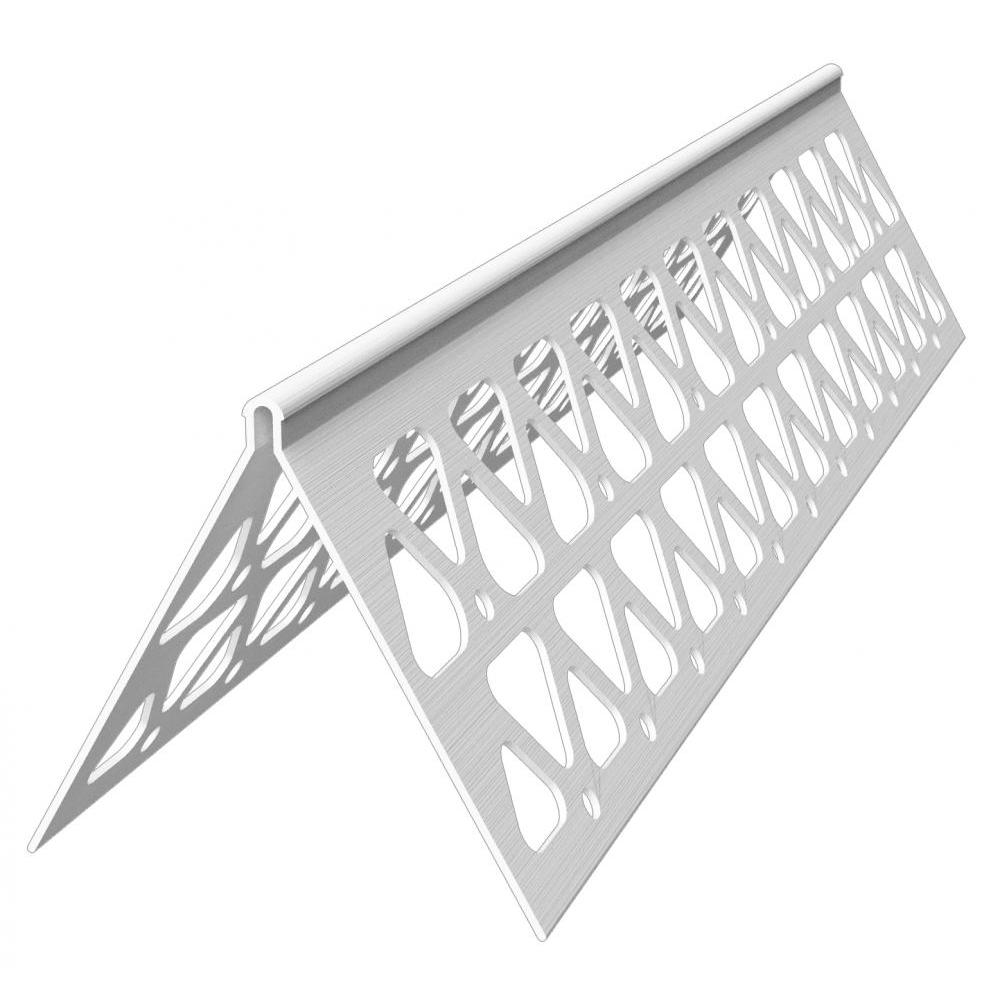
Vinyl Trims for Stucco Work: A Smart Finishing Touch
When it comes to stucco exteriors, most people focus on the texture, color, and durability of the finish coat. But there’s a less obvious detail that plays a major role in both performance and appearance: trim. Vinyl trims, in particular, have become a go-to solution for contractors and homeowners looking for clean lines, moisture control, and long-term reliability.
What Are Vinyl Trims?
Vinyl trims are prefabricated plastic accessories designed to create clean edges, transitions, and terminations in stucco systems. They’re typically installed around windows, doors, corners, and where stucco meets other materials. Unlike traditional metal trims, vinyl options are lightweight, corrosion-resistant, and flexible enough to accommodate slight structural movement.
Why Choose Vinyl Over Metal?
For years, galvanized metal trims were the standard. While still used today, they come with drawbacks—namely rust and expansion issues. Vinyl trims solve many of these problems:
-
Corrosion Resistance: Vinyl won’t rust, making it ideal for humid or coastal environments.
-
Flexibility: It expands and contracts more gently than metal, reducing cracking in stucco finishes.
-
Ease of Installation: Lightweight and easy to cut, vinyl trims speed up the installation process.
-
Cost-Effective: Generally more affordable both in material and labor.
Common Types of Vinyl Stucco Trims
Different parts of a stucco system require different trim profiles. Some of the most common include:
-
Weep Screeds: Installed at the base of walls to allow moisture drainage.
-
Casing Beads: Used around windows and doors for a clean edge.
-
Corner Beads: Reinforce and straighten outside corners.
-
Control Joints: Help manage cracking by allowing movement in large wall sections.
Each type serves both a structural and aesthetic purpose, contributing to the longevity of the stucco system.
Installation Considerations
Proper installation is key to getting the most out of vinyl trims. They should be securely fastened and aligned before applying the stucco base coat. It’s also important to ensure compatibility with the specific stucco system being used—especially in synthetic (EIFS) versus traditional cement-based applications.
Contractors often appreciate vinyl trims for their forgiving nature, but that doesn’t mean precision isn’t required. Poor alignment or spacing can still lead to visible imperfections in the final finish.
Design Benefits
Beyond function, vinyl trims offer a cleaner, more modern look. Their consistent shape and smooth surface help create crisp architectural lines that elevate the overall appearance of a building. Many products are also available in different colors, reducing the need for painting or touch-ups.
Are There Any Downsides?
While vinyl trims offer many advantages, they’re not perfect. In extremely high-temperature environments, they can soften slightly if not properly installed. Additionally, some traditionalists prefer the rigidity of metal for certain structural applications.
Final Thoughts
Vinyl trims may not be the most glamorous part of a stucco project, but they’re essential for both performance and polish. By improving moisture management, reducing cracking, and enhancing visual appeal, they represent a small investment that delivers long-term value. Whether you’re a contractor aiming for efficiency or a homeowner focused on durability, vinyl trims are worth serious consideration in any stucco application.