Fireblocking in Residential Construction: What It Is, Why It Matters, and Where It’s Used
Fire safety is one of the most important considerations in residential construction. While smoke detectors, fire-rated assemblies, and properly installed electrical systems all play an important role, there is another critical part of fire protection that is often overlooked: fireblocking.
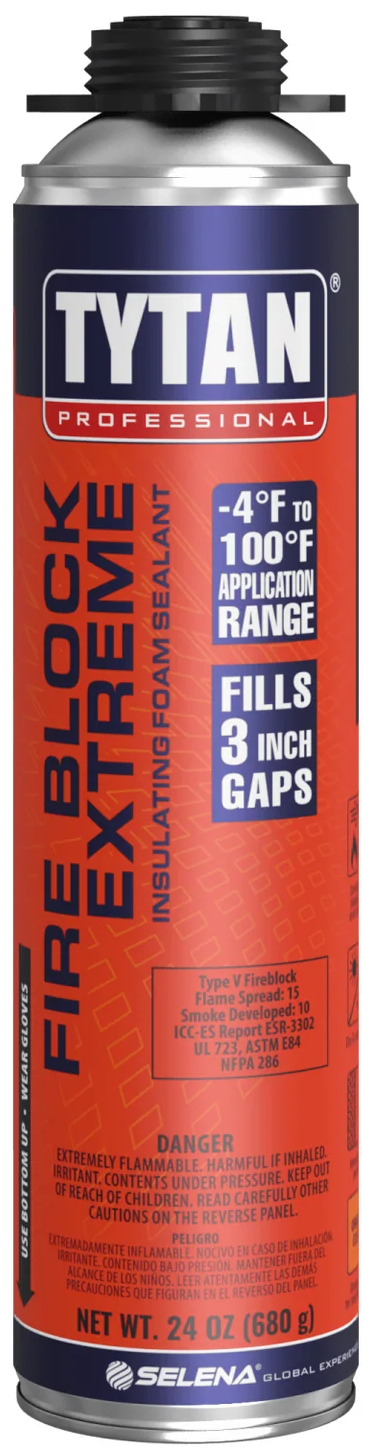
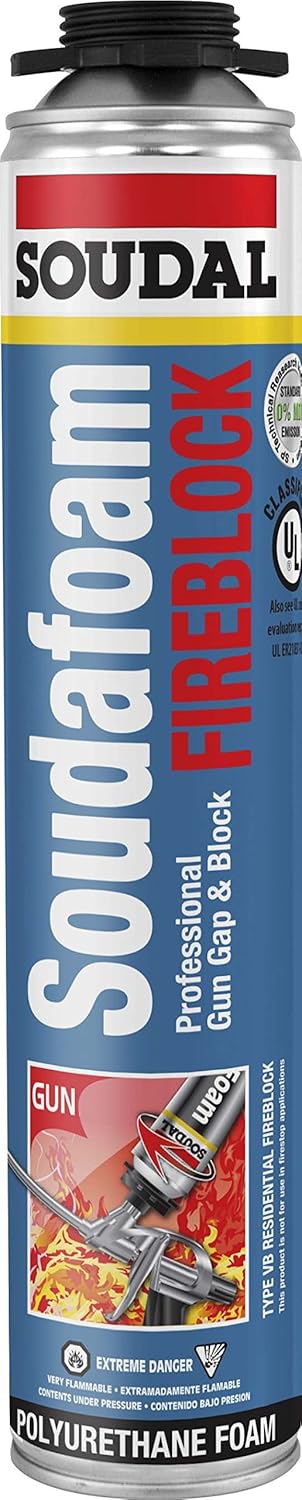
Fireblocking helps slow the spread of fire and hot gases through concealed spaces inside a home. When properly installed, it can give occupants more time to escape and give firefighters additional time to respond. Here at Rescom we have several varieties of fireblock available!
What Is Fireblocking?
Fireblocking is the installation of approved materials in concealed spaces to prevent or slow the movement of fire, smoke, and hot gases from one area of a building to another.
Residential buildings contain numerous hidden cavities. Wall studs, floor systems, ceilings, attics, and areas around pipes and electrical wiring can create pathways that allow fire to travel rapidly through a structure.
Fireblocking essentially interrupts these pathways.
It is important to understand that fireblocking is not the same thing as fireproofing. Fireblocking is intended primarily to restrict the movement of fire and hot gases through concealed spaces. A fire-rated wall or assembly, on the other hand, is designed to provide a specified level of fire resistance for a particular period of time.
Why Is Fireblocking Important?
A fire can spread surprisingly quickly through the concealed cavities of a home. Without proper fireblocking, flames and heated gases can move vertically and horizontally through walls, floors, ceilings, and other concealed areas.
Fireblocking helps:
- Slow the spread of flames
- Restrict the movement of hot gases and smoke
- Divide concealed spaces into smaller sections
- Reduce pathways through which fire can travel
- Provide occupants with additional time to evacuate
- Help firefighters contain a fire
In many cases, fireblocking isn’t designed to stop a fire indefinitely. Instead, its purpose is to slow the fire’s progression and prevent concealed cavities from acting like tunnels that allow fire to rapidly move throughout the structure.
Where Is Fireblocking Used in Residential Construction?
Fireblocking is commonly required wherever concealed spaces could allow fire to travel through a building.
1. Wood-Stud Walls
One of the most common applications is inside wood-framed walls.
A wall cavity can extend from the floor all the way to the ceiling or attic. If a fire enters that cavity, it can travel vertically with little resistance.
Fireblocking can be installed horizontally or vertically where required to interrupt these concealed spaces.
Common materials include properly sized lumber, wood structural panels, gypsum board, and certain approved fireblocking sealants or materials.
2. Around Plumbing and Electrical Penetrations
Homes contain hundreds of pipes, wires, cables, and other penetrations that pass through walls, floors, ceilings, and other assemblies.
These openings can create pathways for fire and hot gases.
Fireblocking materials can be used around certain penetrations and openings to close gaps and prevent fire from easily moving through them.
This is particularly important because even a relatively small opening can provide a pathway through a wall or floor cavity.
3. Stairways
Stairways can create large concealed spaces within a home. Fireblocking may be required around stair stringers, framing cavities, and other areas depending on the construction method.
The goal is to prevent the concealed spaces associated with the stair system from becoming a direct route for fire to travel between levels.
4. Soffits and Drop Ceilings
Soffits and dropped ceilings can create horizontal concealed cavities.
These spaces are often used to conceal ductwork, plumbing, electrical wiring, or structural components. Without appropriate fireblocking, these cavities can allow fire to move horizontally through the home.
Fireblocking can help divide these spaces and restrict fire movement.
5. Attics and Roof Areas
Attics contain large concealed spaces that can allow fire to spread quickly.
Depending on the design and construction of the building, fireblocking may be required around openings, concealed spaces, and connections between wall cavities and attic spaces.
Properly addressing these areas is especially important because a fire can move from a wall cavity into an attic and then rapidly spread across the structure.
6. Floor and Ceiling Systems
Openings between floors can also create pathways for fire.
Penetrations for plumbing, electrical wiring, HVAC systems, and other utilities must be properly addressed where required by the applicable building code and assembly requirements.
The objective is to prevent concealed spaces from providing an uninterrupted route between different portions of the home.
Fireblocking vs. Firestopping
The terms fireblocking and firestopping are sometimes used interchangeably, but they are not necessarily the same thing.
Fireblocking is generally associated with preventing or slowing the spread of fire through concealed spaces in residential construction.
Firestopping is typically associated with maintaining the fire-resistance rating of an assembly where penetrations or joints occur.
For example, a fire-rated wall may have pipes or electrical cables passing through it. A tested and listed firestop system may be required to maintain the wall’s fire-resistance rating.
Because the requirements can be different, contractors should use the material and installation method specified for the particular application.
Fireblocking Sealants and Foams
Modern construction products have made it easier to address smaller gaps, joints, and penetrations that would be difficult to seal using traditional materials.
Fireblocking sealants and specially designed fireblocking foams can be used in appropriate applications to seal gaps around certain penetrations and openings.
These products are particularly useful around:
- Electrical wiring
- Plumbing penetrations
- Small gaps in framing
- Pipes and conduits
- HVAC penetrations
- Other approved openings
However, not every expanding foam or sealant is a fireblocking product.
A standard construction foam should not automatically be assumed to provide fireblocking protection. Contractors should verify that the specific product is approved for the intended application and installed according to the manufacturer’s instructions.
Choosing the Right Fireblocking Product
When selecting a fireblocking product, contractors should look beyond simply seeing the word “fire” on the label.
Important factors can include:
Code compliance: Make sure the product is suitable for the intended application under the applicable building code.
Application: A product designed for small penetrations may not be appropriate for larger openings or different construction assemblies.
Substrate compatibility: Verify that the product is designed to adhere to the materials being sealed, such as wood, concrete, masonry, or other substrates.
Temperature and environmental conditions: Installation conditions can affect the performance of sealants and foams.
Manufacturer’s installation requirements: Follow the manufacturer’s published instructions for preparation, application, curing, and limitations.
Fireblocking Is an Important Part of the Building Envelope
Fireblocking isn’t just another construction detail to check off a punch list. It is an important part of creating a safer residential structure.
Modern homes contain extensive networks of concealed spaces for plumbing, electrical systems, HVAC equipment, insulation, and other building components. Without proper protection, these spaces can provide pathways for fire to travel quickly.
By properly installing fireblocking where required, builders can help interrupt those pathways and slow the progression of fire.
Build It Right From the Start
Fire safety begins during framing and continues through every stage of construction. Properly installed fireblocking helps ensure that concealed spaces do not become uncontrolled pathways for fire and hot gases.
Whether you’re working with wood framing, plumbing penetrations, electrical wiring, soffits, attics, or other concealed spaces, using the right fireblocking material for the specific application is essential.
Always follow the applicable building codes, approved construction details, and manufacturer’s installation instructions. When used correctly, fireblocking products are an important tool for improving fire safety in residential construction and helping protect the people and property inside the home.