Why Using Window & Door Foam Is Critical in Proper Window and Door Installations
When homeowners think about new windows or doors, they usually focus on appearance, glass performance, or hardware. However, one of the most important components of a successful installation is something most people never see — window and door insulating foam.
This small step during installation plays a major role in energy efficiency, comfort, durability, and long-term performance. Skipping it or using the wrong product can lead to costly problems down the road.
The Hidden Gap Around Every Window and Door
Every window or door is installed into a rough opening, which is slightly larger than the unit itself. This space allows installers to level, square, and properly position the frame.
That necessary installation gap creates a problem:
- Air can leak through it
- Moisture can enter
- Outside temperatures can transfer indoors
If this gap is not properly sealed and insulated, even the highest-quality window or door will underperform.
Window and door foam solves this issue.
What Is Window & Door Foam?
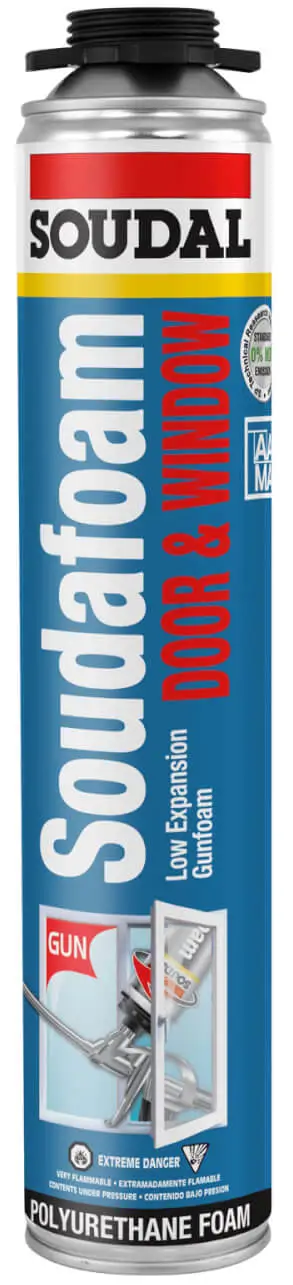
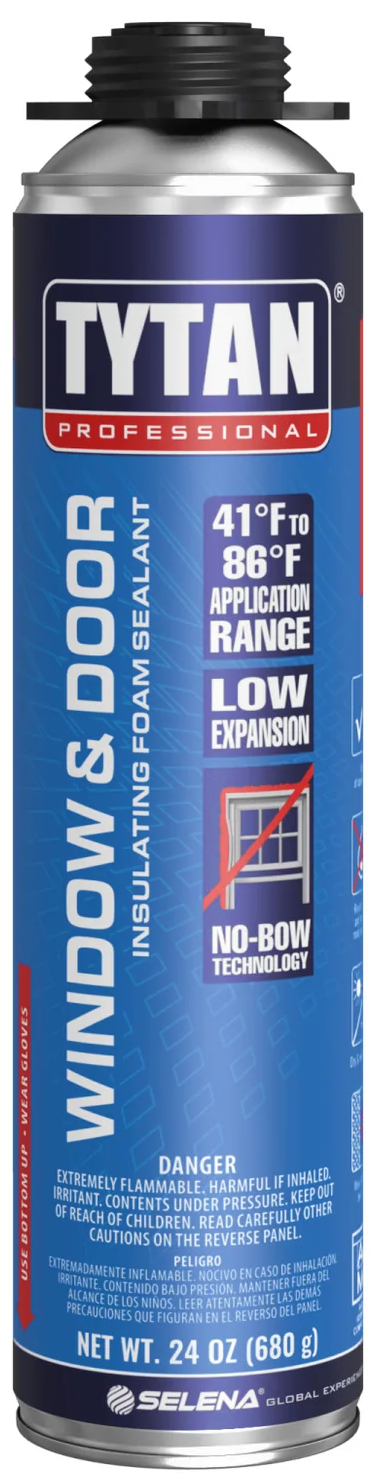
Window and door foam is a low-expansion polyurethane insulating foam specifically designed for fenestration installations.
Unlike standard spray foam, it expands gently to:
- Fill irregular gaps
- Create an airtight seal
- Insulate without putting pressure on the frame
This controlled expansion is essential because excessive pressure can bend frames and cause operational problems.
1. Prevents Air Leakage
Air infiltration is one of the leading causes of energy loss in homes and commercial buildings.
Without insulating foam:
- Drafts develop around openings
- HVAC systems work harder
- Interior comfort decreases
Window and door foam seals tiny voids that caulk or trim alone cannot close. Once cured, it forms a continuous air barrier that dramatically reduces unwanted airflow.
2. Improves Energy Efficiency
A window’s energy rating means very little if air can move freely around it.
Properly applied foam:
- Stops conditioned air from escaping
- Blocks hot or cold exterior air
- Stabilizes indoor temperatures
This improves overall building efficiency and helps lower heating and cooling costs year-round.
3. Protects Against Moisture Intrusion
Water rarely enters directly through the window itself — it usually finds its way through installation gaps.
Foam helps:
- Block wind-driven rain
- Reduce humid air infiltration
- Prevent condensation inside wall cavities
Moisture intrusion can lead to mold growth, wood rot, insulation failure, and interior damage. Sealing the perimeter with foam is a critical part of a complete water management system.
4. Maintains Proper Frame Operation
Windows and doors must remain square and stable to function correctly.
Low-expansion foam:
- Stabilizes the frame inside the opening
- Reduces vibration and movement
- Helps doors latch properly and windows operate smoothly
Using high-expansion construction foam instead can actually push frames out of alignment, causing sticking, binding, or sealing failures.
5. Enhances Sound Insulation
Open gaps around installations allow sound to travel easily into a building.
By filling these cavities, insulating foam:
- Reduces exterior noise transmission
- Improves interior comfort
- Creates a quieter indoor environment
Many homeowners notice sound reduction immediately after proper installation.
6. Supports Modern Building Standards
Today’s installation best practices focus on creating a continuous building envelope that manages air, water, and thermal performance.
A professional installation typically follows this sequence:
- Flash the opening to manage water
- Set and secure the window or door
- Foam the perimeter gap
- Seal and finish the interior and exterior
Window and door foam is the step that connects structural installation with energy performance.
Common Installation Mistakes to Avoid
Even experienced installers sometimes make errors, including:
- Using standard high-expansion spray foam
- Overfilling the gap
- Leaving voids or unsealed areas
- Relying only on fiberglass insulation or caulk
Fiberglass does not stop airflow, and trim alone is not an air seal. Proper foam application is the most reliable solution.
The Long-Term Value of Proper Foaming
While foam represents a small portion of installation cost, it delivers long-term benefits:
- Lower energy bills
- Increased comfort
- Reduced moisture problems
- Longer window and door lifespan
- Improved overall building performance
In many cases, installation quality matters more than the window or door brand itself.
Conclusion
Window and door foam may be hidden once the trim goes on, but it plays a vital role in the success of any installation. By sealing air gaps, insulating the opening, and protecting against moisture intrusion, it ensures that windows and doors perform exactly as intended.
Simply put, a window or door installation is only as good as the seal around it — and insulating foam is what makes that seal complete.
If you’d like, I can also rewrite this as a contractor marketing blog, SEO-optimized article, or sales flyer version for your website or customers.